🔹 Reminder: There are two entrances to Nauyaca Waterfalls, but only one Nauyaca Waterfall Nature Park 🦥.
Don’t get confused—make sure you arrive at the right place! 

📍 How to get there? Follow your preferred map link:

From Uvita

Cicadas in the Dry Season of Costa Rica’s South Pacific at Nauyaca Waterfall Nature Park

During the dry season in Costa Rica’s South Pacific, the song of cicadas becomes the natural soundtrack of Nauyaca Waterfall Nature Park. Learn about their role in the ecosystem, why they sing so intensely, and how they enrich the experience of visitors exploring this vibrant natural setting.

Table of Contents

When the dry season arrives on Costa Rica's South Pacific coast, everything shifts. The sun burns brighter, the trails turn dusty, and in natural areas like Nauyaca Waterfall Nature Park, the air fills with one unmistakable sound: the relentless song of cicadas.

What Are Cicadas?

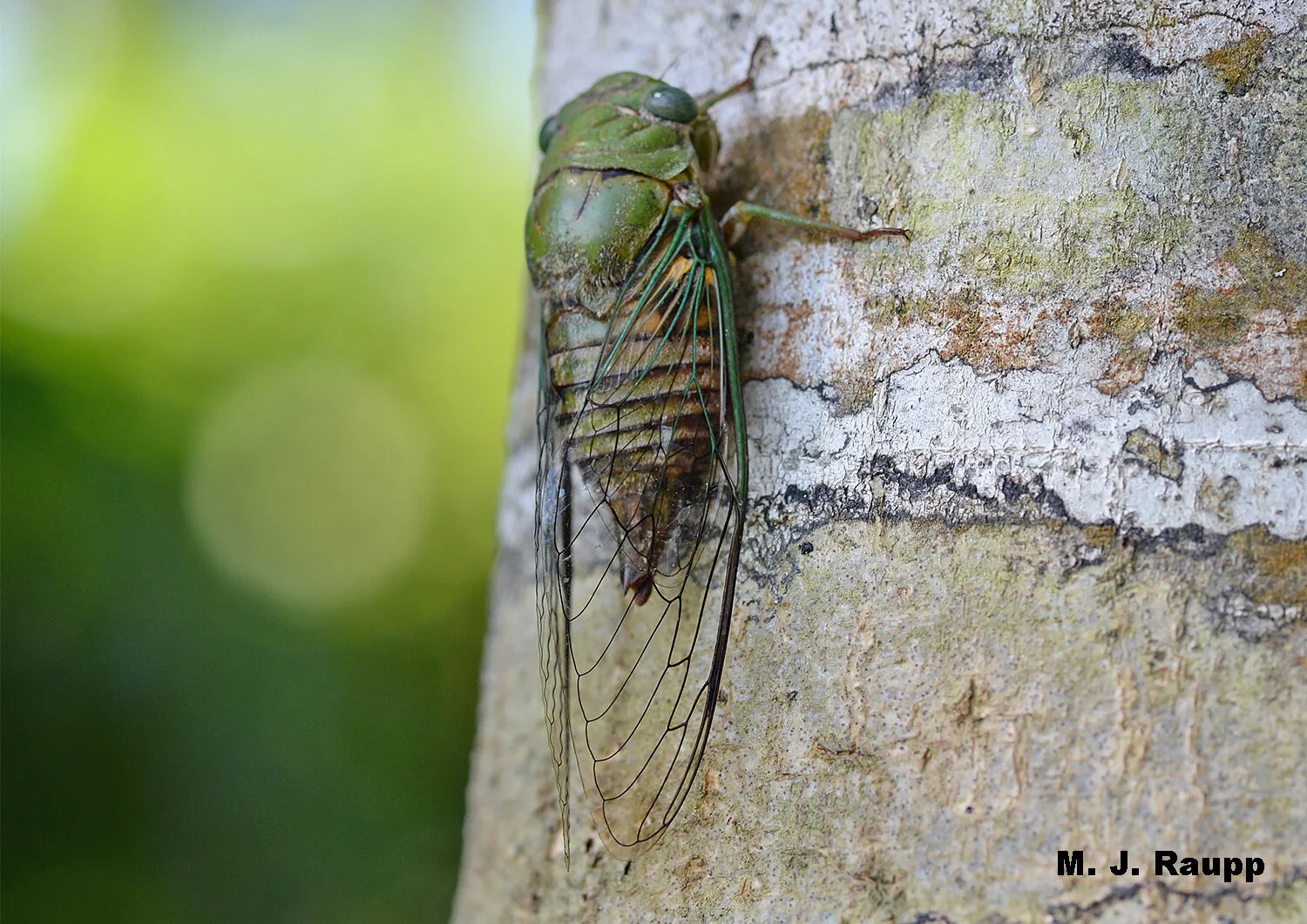
Cicadas are tropical insects known for their loud, persistent call. Unlike most insects that go unnoticed, cicadas make themselves impossible to ignore. Their signature “song” is not actually a voice, but a rapid vibration of specialized organs called tymbals located on the abdomen. Males produce this sound to attract mates, and in the warm, dry conditions of Costa Rica’s Pacific coast, they reach their peak intensity.

Dry Season on the South Pacific Coast

The dry season typically runs from December through April. These months create the ideal conditions for cicadas to emerge in full force:

🌡️ Higher temperatures

💧 Much lower humidity
🍂 Trees shed their leaves
🔊 Sound carries farther

Many visitors say the sound stays with them long after they leave the trail. It is the forest telling you it is alive.

Nauyaca — South Pacific, Costa Rica
With less foliage to absorb it, the cicada call travels farther and sounds even louder than usual — becoming one of the most defining features of the landscape.

The Cicada Song: Nauyaca's Natural Soundtrack

A hike to the Nauyaca waterfalls is not just a visual experience. It is also a deeply immersive sonic one. The cicada song fills the forest with a presence that is hard to describe until you have heard it yourself:

Rhythmic

Rising and falling like a natural pulse through the canopy

Constant
Saturating every clearing and corner of the forest
Hypnotic
A sound that stays with visitors long after leaving the trail
It may seem overwhelming at first, especially for visitors from cooler climates. But this sound is a sign of ecological health — the tropical dry forest functioning exactly as it should.

Why Do They Call So Much in the Dry Season?

Cicadas call to attract mates, and the dry season provides ideal acoustic conditions:

Lower humidity allows sound to propagate more efficiently through the air

Higher temperatures boost the cicada’s vibrating muscles

The thinning canopy creates open acoustic pathways through the forest

The drier and hotter the day, the louder and more persistent the chorus becomes.

Cicadas in the Park's Food Web

Cicadas are more than a sound. They are a critical link in the South Pacific ecosystem and an important food source for a wide range of species:

🦜 Tropical birds

🦎 Lizards and reptiles
🦇 Bats
🐿️ Small mammals
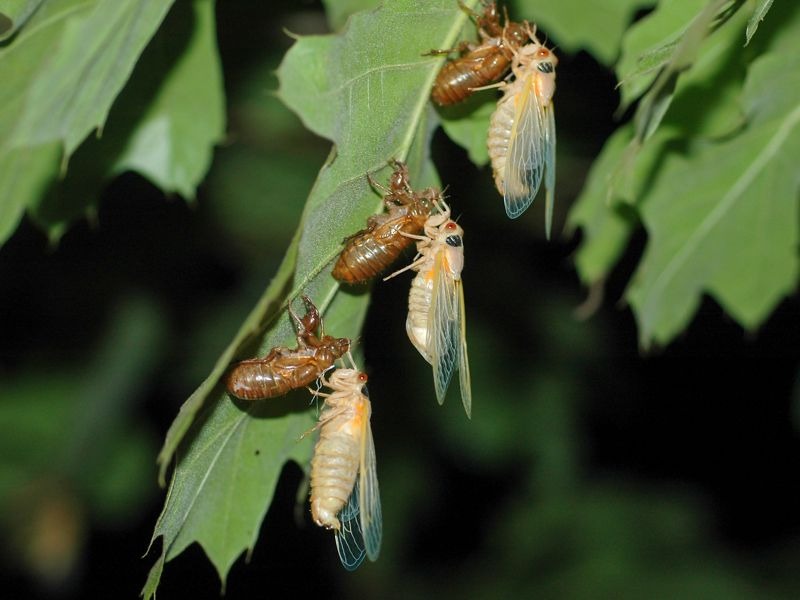
What makes cicadas especially fascinating is their life cycle:

🥚
Eggs

Laid in tree bark

🌱
Nymph

Years underground

🔊
Adult

Brief, intense emergence

Visitor Tips for Dry Season at Nauyaca

Cicadas call to attract mates, and the dry season provides ideal acoustic conditions:

Embrace the sound.
The cicada chorus is a natural spectacle in itself, not background noise.

Start early or arrive at dusk. 
Morning and late afternoon offer cooler temperatures for the hike.

Stay well hydrated. 
The combination of heat and physical exertion on the trail makes proper hydration essential.

Bring sun protection. 
With less canopy cover during the dry season, UV exposure on open sections of the trail is higher.

The drier and hotter the day, the louder and more persistent the chorus becomes.

Cicadas are more than just noise in the dry forest. They are a pulse. In places like Nauyaca, their call wraps around you on the trail, marking the season and reminding every visitor that even in the hottest, driest months, this forest is teeming with life.